The Difference Between Insulation Types And Materials
Insulation types and materials are essential for energy efficiency and comfort. This guide explains the differences to help you make informed decisions for your home or building project.
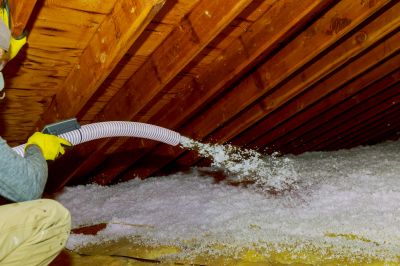
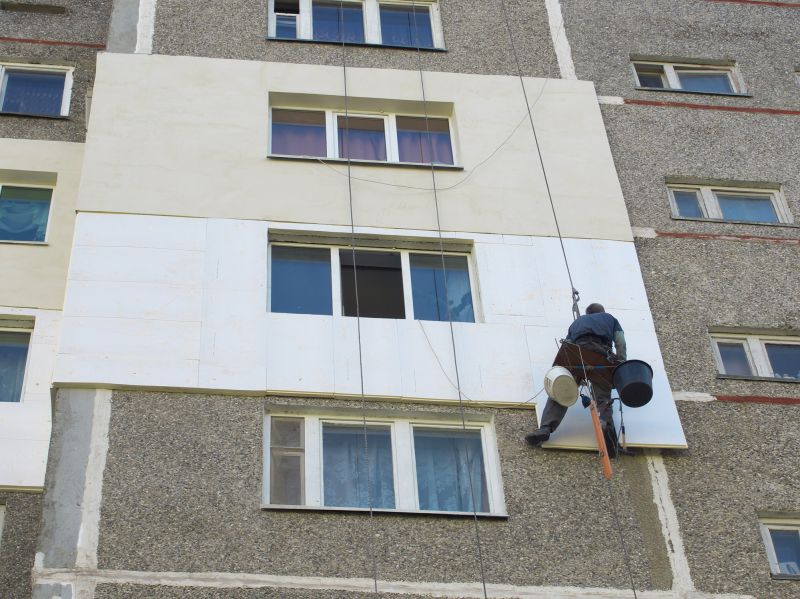
Installing blown-in insulation during moderate weather in spring or fall ensures optimal adhesion and performance. Proper timing depends on weather conditions, construction schedules, and material choices, which can enhance energy efficiency and insulation quality.
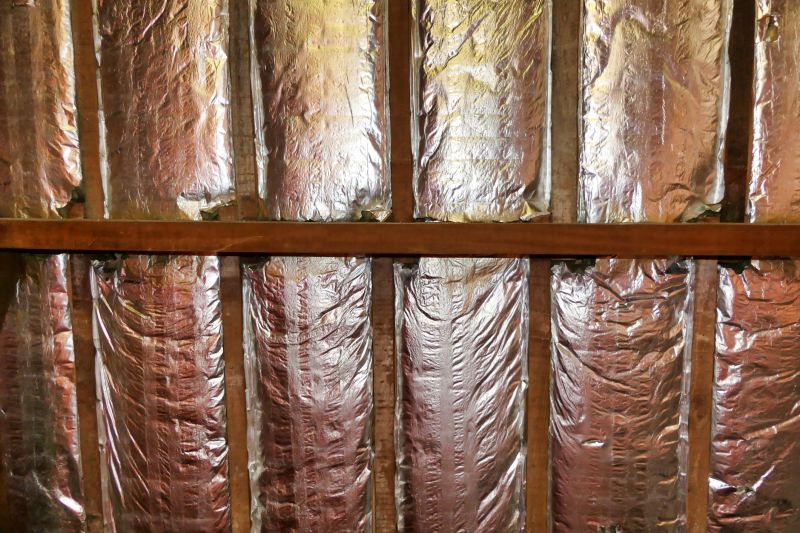
Professional insulation installation improves energy efficiency, indoor comfort, and property value through various methods such as spray foam, blown-in, batt, and reflective insulation, with careful assessment and expert application ensuring optimal performance.
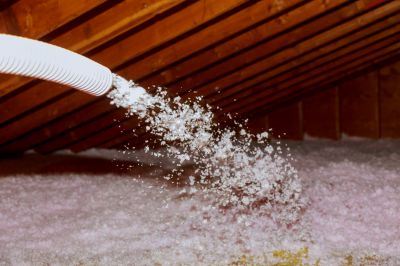
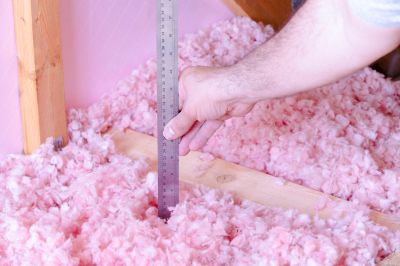
Professional blown in insulation services improve thermal performance, energy efficiency, and comfort by dispersing loose insulating materials into attics and walls. Proper installation ensures uniform coverage and reduces energy costs.
This overview explains the factors affecting blown-in insulation costs, including material type, property size, accessibility, and installation season, helping homeowners make informed decisions about insulation installation and expenses.